
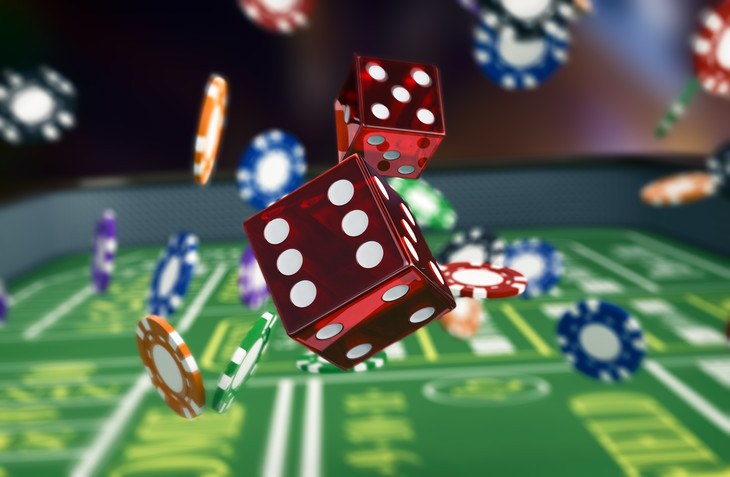
I consider gambling as entertainment, not a way to generate money or run from problems golisimo-casino.net.gr. When I log into Golisimo casino, I establish a clear budget and acknowledge that my deposit is just the cost of fun, like getting a concert ticket. If the fun becomes a compulsion, something’s off. After years of watching player behavior and consulting on platform design, I’ve found that the tools built into a casino account really work—but only if you devote a few minutes to configure them before things go bad. Intervene early, and these features cease to be emergency brakes; they become quiet, automatic habits.
Reconsidering the Relationship with Risk
I recommend rethinking the concept of risk itself. In a sound recreational setting, risk adds the thrill that makes a game fun, but the risk is bounded and known. An problematic relationship distorts risk into the notion that a big win will fix deep emotional wounds. I’ve noticed that people with a equable outlook often assume other measured risks (climbing, starting a business, public speaking) where setbacks educates rather than destroys. Gambling then transforms into one piece of a wider network of engaging activities. If gambling is the sole source of adrenaline and hope in your week, your susceptibility grows. Distributing my sources of uncertainty and reward prevents any particular activity from overshadowing my emotional menu.
Spotting the Initial Alert Cycle
Well before a financial crisis, small mental tendencies begin manifesting themselves. I notice when I begin concealing playing particulars from my significant other, feeling a surge of embarrassment if my phone monitor is visible, or psychologically rearranging my bank balance to justify another payment. Another definite red signal is the chase phase, where a defeat appears like an offense I need to retaliate. Biologically, that’s more of a survival pattern than recreation. I also watch for rest trouble, irritability away from playing periods, and a steady decline of interest in hobbies that would to provide me focus. These signals are not moral shortcomings; they’re evidence indicating me the equilibrium has tipped and I need employ the resources on this platform now, not later.
Understanding Personal Deposit Controls
Establishing a deposit limit is the greatest firewall I can advise, for anyone. In your Golisimo Casino dashboard, you establish a max amount per day, week, or month. Once you activate it, the system stops any deposit above that threshold. I suggest picking a number that corresponds to what you’d spend on a night out, then living with it for at least two weeks before you tweak it. The psychology is important: lowering a limit kicks in immediately, but raising one usually involves a cooling-off iefimerida.gr period. That delay keeps you from acting on a temporary high or the urge to win back a loss right away.
Distinguishing Between Limit Types
Most casinos now separate financial controls into deposit limits, loss limits, and wager limits, each shielding in a different way. A deposit cap prevents money from flowing in. A loss limit records net losses over a session or a day and locks you out when you hit that red line. A wager limit restricts the total amount you can bet, no matter your balance. When I layer these together, I’m protected from multiple angles. Even if I succumb and lift a wager limit, the deposit barrier remains. That combination produces healthy friction, offering my rational brain just enough time to reengage before the next spin.
Modifying Limits Without Triggering Harm
Many players bypass limits because they don’t want to feel boxed in. I treat it like fine-tuning, not a cage. I examine my settings on a quiet Sunday morning, never right after playing—calm brains give more honest numbers. If my entertainment budget really alters because of a raise or paid-off debt, I request a limit increase and go through the required waiting period without complaint. That delay is not a penalty; it’s a design feature that removes impulse. By scheduling a regular financial check-in, I transform the limit dashboard from something I dislike into a tool that actually reflects my life.
Getting the hang of the Reality Check Timer
The reality check is a pop-up that shows up every so often during your session, displaying time elapsed, money spent, and your net position. At Golisimo Casino, you can normally set it to appear every 30, 60, or 90 minutes. I suggest going with the shortest interval you can handle. When that alert pops up, you might feel annoyed—but that interruption is exactly what interrupts the autopilot trance. I’ve seen people sit in front of a slot for four hours without blinking, totally missing time. The reality check doesn’t stop the reels; it just holds up a mirror. Looking into that mirror and answering honestly, “Am I still having fun?”, is a skill that gets better with practice.
Employing Third-Party Blocking Software
You can back up platform-level tools with software set up directly on your devices. I’ve advised Gamban to people who persist drifting toward unlicensed sites or seek another layer of friction on their phone and laptop. These apps restrict thousands of gambling domains at the OS level, so removal becomes a conscious, multi-step chore. I pair that with browser extensions that cut off access to crypto casinos and offshore sportsbooks that might evade standard rules. No single barrier is foolproof, but layering them (Golisimo Casino self-exclusion, national registry, third-party app, and a trusted friend on my bank account) creates a setup where a relapse means reversing several intentional choices.
Utilizing Time-Out Periods Wisely
A time-out is a temporary account suspension, anywhere from 24 hours to a few weeks. I consider it as a reset button, not a mark of shame. When I notice my internal voice moving toward frustration, chasing, or bargaining—like “just one more deposit to break even”—I lock the account for 72 hours right away. During that forced break, the emotional circuits that drive impulsive bets cool down. I occupy the time with exercise, social time, or a creative project that activates the same dopamine path. By the time the lock expires, the sting of the loss has faded, and I can either go back with a composed mindset or just stay away longer. Taking a breath costs nothing.
Education Through Provider Resources
I’ve spent hours reading the educational materials in Golisimo Casino’s responsible gambling section, and I think every new player should do the same. These resources explain the math behind the house edge for each game type in plain language, dispelling the myth that a payout is “due.” They detail how random number generators work, why tracking streaks is a cognitive bias, and what the true long-term RTP percentages mean for your session budget. Knowing these mechanics doesn’t make a well-designed slot or a tense blackjack hand any less fun; it just removes the superstitions that can lead to compulsive play. Education transforms the product from a mysterious luck machine into a transparent entertainment cost with known odds.
Financial Hygiene as a Protective Practice
I adopted the practice of keeping apart gambling cash from living money from professional traders who hold risk capital aside. I use a dedicated e-wallet or prepaid card funded only with my monthly entertainment budget. When that runs out, the session ends—no matter what jackpot might appear on the next spin. I never attach an overdraft or credit card to a gambling profile; borrowed money introduces a desperate edge. Every quarter I assess my net gambling spend against my original budget, and any gap becomes a signal to change limits or take a break entirely. This numbers-based approach eliminates the “this time is different” story and replaces it with cold, objective ledger data.
Engaging a Trusted Financial Overseer
In some close relationships, I’ve served as an overseer with read-only access to transaction logs, and I’ve observed how effective this transparency can be. When you know someone you admire will see every deposit and withdrawal, the hidden thrill of a secret binge fades. At Golisimo Casino, the account history is detailed enough to send a weekly PDF with a therapist, partner, or sponsor without any gray areas. I always frame this as a supportive team effort, never a punishment. The overseer doesn’t criticize or lecture; they just detect odd patterns and raise gentle questions early, before a small slip turns into a big pattern that feels too huge to admit.
The Architecture of Voluntary Exclusion
Self-exclusion is the most effective account-level action, for when shorter breaks haven’t brought things back into balance. When I initiate self-exclusion at Golisimo Casino, the platform locks my account for a set period (six months, a year, or forever) and makes every effort to block me from creating new accounts during that time. I’ve spoken with people who regarded this as a defeat, but I perceive it as an act of profound self-respect. Recognizing that the product no longer benefits your wellbeing and terminating access requires a clear-headedness that many people never achieve with any behavior. The regulatory and technological structures are there to respect that option when you execute it.
Preparation Before Activating Exclusion
Before I press that final self-exclusion button, I cash out every last euro from my balance. Leftover funds serve as a psychological tether, pulling you back into a bargaining loop with support. I also export my transaction history for my files and taxes, because retrieving that data later often demands a notarized request. I inform any payment methods attached to the account (e-wallets, cards, direct bank links) so I don’t instinctively try another avenue when tedium or stress strikes. Then I identify at least one trusted person and inform them precisely what I’ve done. Third-party accountability closes the loop that willpower alone tends to leave open.
Broadening Exclusion Beyond a Single Operator
One-operator self-exclusion is strong, but the national register introduces a further layer. In Greece, the Hellenic Gaming Commission operates a self-exclusion list that encompasses all licensed online operators. I suggest anyone contemplating a long-term break take this centralized path. Golisimo Casino’s responsible gambling team can point you toward the official government application. Once the state-level exclusion kicks in, any attempt to gamble with a regulated provider becomes blocked immediately. That eliminates the exhausting game of searching for a site that’ll permit registration. The system works best when you handle it as a sturdy wall, not a challenge to resolve.
Managing Session Time with Everyday Engagement
I shape my day so gambling doesn’t become the default filler. When I cook, run, or finish a book chapter, I’m teaching my brain to appreciate slower, effortful rewards. Slots and fast table games provide quick, variable dopamine hits that can leave a quiet afternoon with a novel feel dull. So I set aside gambling as a designated event, like a Thursday evening poker tournament, not a steady background hum. That intentional framing safeguards my hedonic set point and makes sure that when I log in, it comes across like a treat, not a compulsion. The aim is a life where gambling fills a small, defined corner.
Help Options for Urgent Help
When self-help tools don’t feel like enough, external assistance offers a support system. The Greek helpline 1114 runs 24/7, manned by skilled therapists who understand the cultural and financial pressures in this country. I’ve used lines like this while doing research, and the discussion is impartial, private, and remarkably useful. They can link callers to free psychological support, support groups, and budgeting guidance. Golisimo Casino’s support team is accessible through live chat and is prepared to manage self-exclusion requests and direct players to professional aid without delay. Making contact doesn’t signify defeat; it’s the first move of taking back control when things feel unmanageable.
